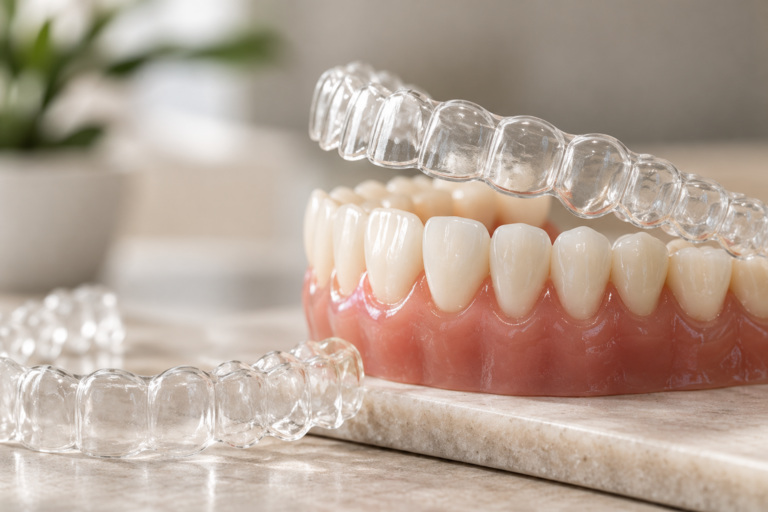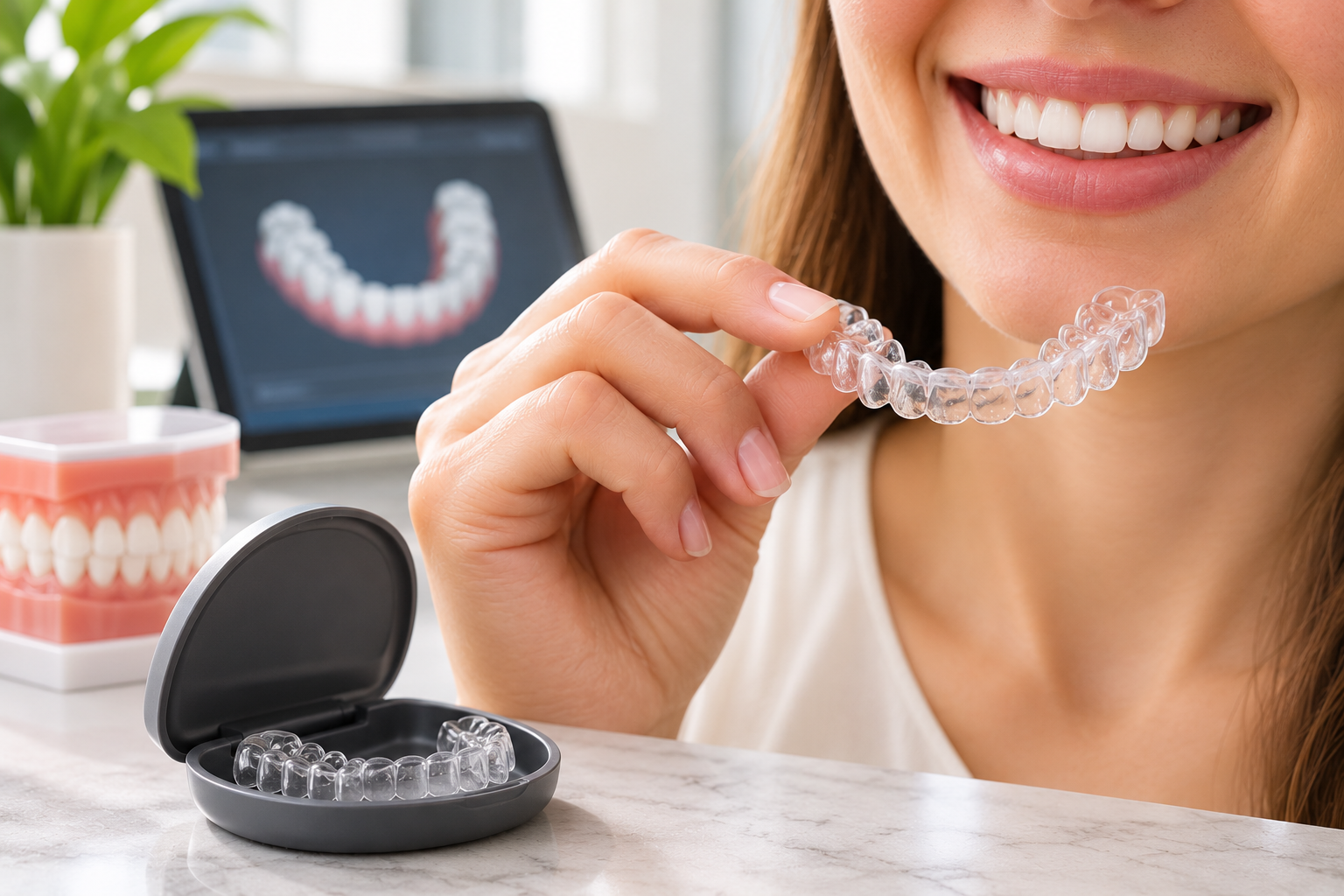
Clear aligners offer a discreet way to straighten teeth without the brackets and wires used in traditional braces. These custom-made trays gradually guide teeth toward planned positions, helping address concerns such as crowding, gaps, and certain bite issues.
For many people, clear aligners make orthodontic treatment feel easier to fit into everyday life. The trays are removable for meals and oral hygiene, and their transparent appearance makes them less noticeable than traditional braces.
Still, clear aligners are not the right solution for every smile. Treatment depends on your teeth, bite, oral health, and goals. Understanding how aligners work—and what wearing them involves—can help you decide whether this option is worth exploring.
What Are Clear Aligners?
Clear aligners are thin, transparent trays designed to fit over your teeth. Each set applies gentle, controlled pressure to guide specific teeth through small movements.
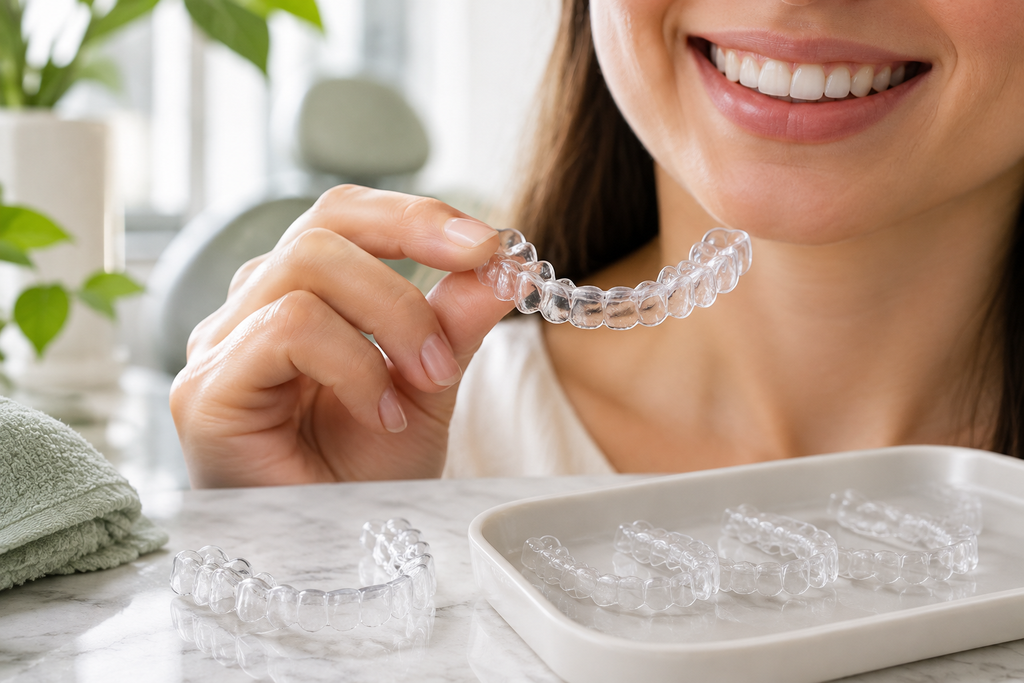
Treatment uses a planned series of aligners. You wear each set for a prescribed period before moving to the next one. As you progress through the series, your teeth gradually move toward their intended positions.
Invisalign is one well-known clear aligner system, but it is not the only one. The right system and treatment plan depend on your individual orthodontic needs and the provider’s recommendations.
How Do Clear Aligners Straighten Teeth?
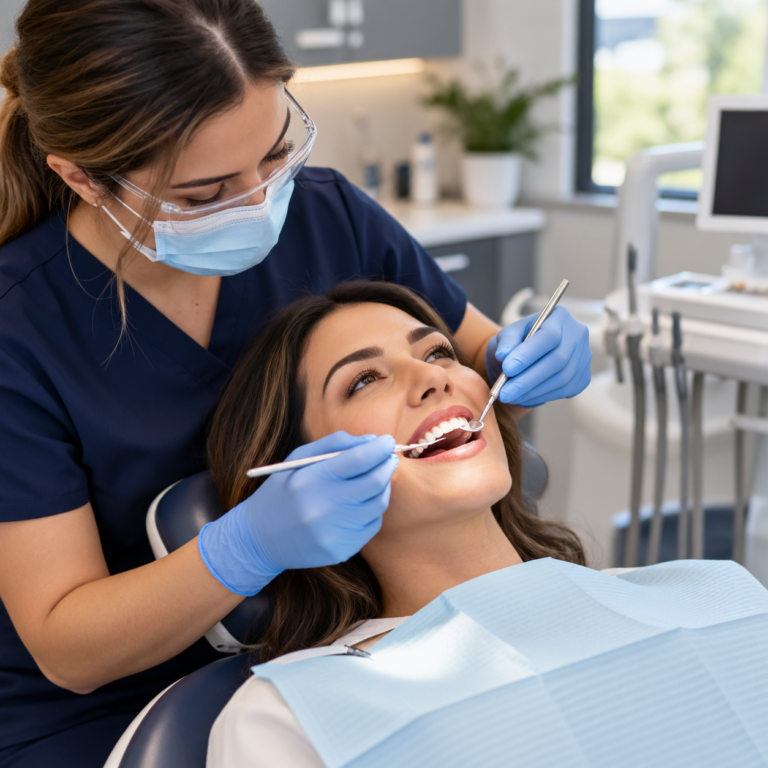
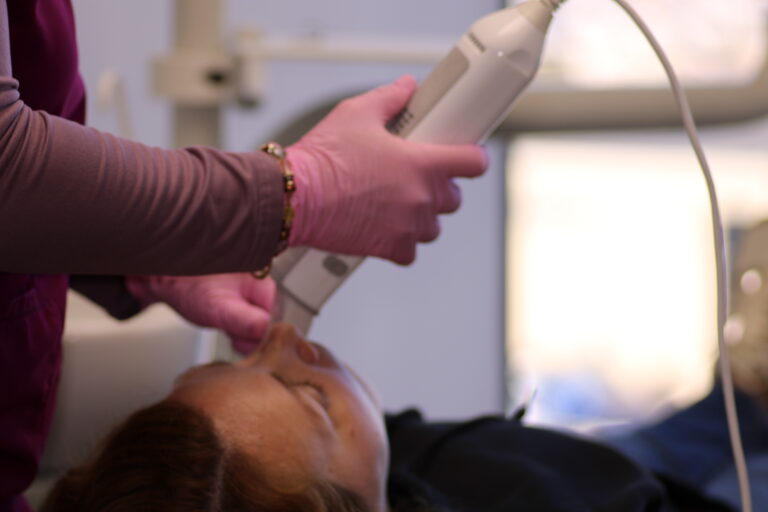
Clear aligner treatment begins with an evaluation of your teeth and bite. Your dentist or orthodontist may use photographs, dental records, and a digital scan or impression to understand your starting point.
Those records help create a treatment plan that maps out the intended tooth movements. Custom aligners are then made to guide your teeth through that sequence.
Each new tray is slightly different from the previous one. When worn as directed, it applies gentle pressure that encourages gradual movement.
Your provider will schedule check-ins to assess your progress and make sure your teeth are tracking as planned. Some cases may also require small tooth-colored attachments on certain teeth to help the aligners achieve specific movements.
What Dental Issues Can Clear Aligners Treat?
Clear aligners can address a range of mild to moderate orthodontic concerns, depending on the case. These may include:
- Crowded teeth: Teeth that overlap or do not have enough room.
- Gaps between teeth: Spaces that appear between individual teeth.
- Certain bite concerns: Some overbites, underbites, crossbites, or open bites.
- Teeth that have shifted: Movement that occurs after previous orthodontic treatment.
However, not every alignment or bite issue can be treated predictably with clear aligners alone. More complex cases may require braces, additional orthodontic techniques, or a different treatment approach.
A dental examination is the best way to determine which options may work for your smile.
What Are the Benefits of Clear Aligners?
Clear aligners appeal to many adults and teens because they offer several practical advantages.
A More Discreet Appearance
The transparent trays are designed to blend in with your teeth. This can make aligners a comfortable choice for people who prefer a less noticeable orthodontic option at work, school, or social events.
Removable for Meals and Oral Hygiene
You can remove aligners when eating, drinking anything other than water, brushing, and flossing. This makes it easier to maintain your usual oral hygiene routine compared with cleaning around brackets and wires.
No Traditional Brackets or Wires
Clear aligners do not use the metal brackets and wires associated with traditional braces. Many patients appreciate their smooth design, although a new tray may still feel snug or cause temporary irritation as they adjust.
A Treatment Plan Tailored to Your Smile
Aligners are made for your teeth and guided by a treatment plan. Digital planning can help your provider visualize intended movements and monitor progress throughout treatment.
What Is the Clear Aligner Treatment Process?
Although each treatment plan is different, the process commonly follows several steps.
1. Consultation and Examination
Your provider evaluates your teeth, gums, bite, and orthodontic concerns. They will discuss your goals and determine whether clear aligners may be appropriate.
2. Digital Scans and Treatment Planning
A digital scan or other dental records capture the shape and position of your teeth. These records help your provider plan the movements and determine the aligners needed.
3. Receiving Your Aligners
Once your aligners are ready, your provider explains how to insert, remove, wear, and care for them. You may also receive instructions about attachments or other parts of your treatment.
4. Wearing Each Set as Directed
You wear each aligner according to your provider’s schedule, moving to the next set when instructed. Consistent wear is important because aligners can only guide movement while they are in place.
5. Progress Visits
Your provider checks how your teeth are responding. If your teeth are not tracking as expected, the plan may need an adjustment or additional aligners.
6. Retainers After Treatment
When active treatment ends, retainers help maintain your new tooth positions. Teeth can shift over time, so following your retainer instructions is an important part of protecting your result.
How Long Does Clear Aligner Treatment Take?
Treatment time varies from person to person. It depends on the complexity of the tooth movements, how consistently you wear your aligners, and how your teeth respond.
Some cases may take several months, while others may require a year or longer. Your provider can give you a more personalized estimate after evaluating your teeth and developing a treatment plan.
It is also important to remember that the estimated timeline may change. If teeth do not move as planned, your provider may recommend additional aligners or refinements.
How Many Hours a Day Should You Wear Clear Aligners?
Many clear aligner plans recommend wearing the trays for approximately 20 to 22 hours per day. Your specific instructions may differ, so follow the schedule provided by your dentist or orthodontist.
Aligners are generally removed for meals, drinks other than water, and brushing and flossing. After eating, clean your teeth before putting the trays back in whenever possible.
Because aligners are removable, consistency matters. Wearing them for less time than recommended can slow progress or affect how well the next tray fits.
Are Clear Aligners Painful?
Clear aligners typically apply gentle pressure rather than the force associated with some other orthodontic appliances. You may notice tightness or mild soreness when you begin treatment or switch to a new set.
This feeling often eases as your teeth adjust. Some people may also experience temporary speech changes or irritation along the edges of the trays.
If you experience significant pain, persistent irritation, or an aligner that does not fit properly, contact your dental provider instead of trying to force it into place.
How Do You Clean and Care for Clear Aligners?
Keeping your aligners clean helps maintain their clarity and supports good oral hygiene during treatment.
A simple daily routine can include:
- Rinse your aligners when you remove them.
- Clean them as directed by your provider using an appropriate aligner-cleaning method.
- Brush and floss your teeth before putting the trays back in.
- Store aligners in their case when they are not being worn.
- Avoid hot water, which may distort the plastic.
- Do not leave aligners wrapped in a napkin, where they can be misplaced or accidentally thrown away.
Avoid eating with your aligners in unless your provider gives you different instructions. Food can become trapped between the trays and teeth, and some drinks may stain or damage the aligners.
Clear Aligners vs. Traditional Braces
Both clear aligners and traditional braces can straighten teeth. The best choice depends on the type and complexity of your orthodontic concerns, your preferences, and your ability to follow treatment instructions.
Clear aligners are removable and less noticeable, which many patients find convenient. Traditional braces remain attached to the teeth and may be better suited to certain complex movements.
Aligners also require consistent daily wear. If you are likely to forget to put them back in after meals or activities, a fixed option may be easier to manage.
Your provider can explain the advantages and limitations of each approach based on your specific needs.
Who May Not Be a Candidate for Clear Aligners?
Clear aligners are not appropriate for every patient or every orthodontic concern. Significant bite problems, complex tooth movements, some dental health issues, or difficulty wearing the trays consistently may affect whether treatment is recommended.
Before starting orthodontic treatment, your provider may need to address cavities, gum disease, or other oral health concerns.
An examination can help determine whether clear aligners are a reasonable option, whether another treatment may be more predictable, or whether additional care should come first.
Do You Need Retainers After Clear Aligner Treatment?
Yes, retainers are an important part of maintaining orthodontic results. After teeth move into new positions, they can gradually shift without support.
Your provider will recommend a retainer and explain when and how to wear it. Following those instructions helps protect the alignment achieved during treatment.
Retainers are not an optional final step—they help maintain the result you worked toward.
Are Clear Aligners Worth Considering?
Clear aligners can be a practical option for people who want to improve the alignment of their teeth with a less noticeable, removable appliance. They can make eating and oral hygiene more convenient than traditional braces, while a customized treatment plan guides tooth movement over time.
However, successful treatment depends on choosing the right approach and wearing the aligners consistently. A professional evaluation can help you understand what clear aligners may be able to accomplish for your smile.
At Chatham Dental Arts, our team offers personalized dental care and Invisalign treatment options. If you are considering orthodontic treatment, we can help you understand your needs and discuss possible next steps. Learn more about our dental services at Chatham Dental Arts.
For additional information about orthodontic options, you can also explore Summit Family & Cosmetic Dentistry’s guide to Invisalign and clear aligner treatment.
A straighter smile begins with understanding your options—and finding a treatment plan that fits your teeth, your goals, and your everyday routine.
Frequently Asked Questions
Are clear aligners the same as Invisalign?
Not exactly. Invisalign is a specific clear aligner system. Clear aligners is the broader term for transparent removable trays used to move teeth gradually.
Can clear aligners fix crowded teeth?
Clear aligners can treat many cases of mild to moderate crowding. More complex cases may need another orthodontic approach or additional treatment.
Can I eat while wearing clear aligners?
Most aligners should be removed for meals. Follow your provider’s instructions, and clean your teeth before reinserting the trays whenever possible.
How often do I change my aligners?
The change schedule depends on your treatment plan. Your dentist or orthodontist will tell you when to move to the next set.
Do clear aligners affect speech?
Some people notice a slight change in speech when they first begin wearing aligners. This often improves as they get used to the trays.
What happens if I lose an aligner?
Contact your dental provider for instructions. Depending on your progress and the aligner lost, they may recommend using a previous or next set, or arranging a replacement.
Do I still need dental checkups during aligner treatment?
Yes. Routine dental visits and any orthodontic progress appointments recommended by your provider help monitor your oral health and treatment progress.
Will my teeth stay straight after clear aligner treatment?
Retainers help keep teeth in their new positions. Teeth can shift over time, so follow your provider’s retainer instructions.