Good oral hygiene involves more than brushing your teeth every morning and night. The habits you practice each day help remove plaque, protect your tooth enamel, support healthy gums, and reduce your risk of common dental problems. A consistent oral care routine can also help you maintain fresher breath and recognize potential concerns before they become more serious.
At Chatham Dental Arts in Chatham, NJ, we believe that understanding the basics of oral hygiene helps patients make informed decisions about their dental health. With proper home care and regular professional dental visits, you can take practical steps toward keeping your teeth and gums healthy.
What Is Oral Hygiene and Why Is It Important?
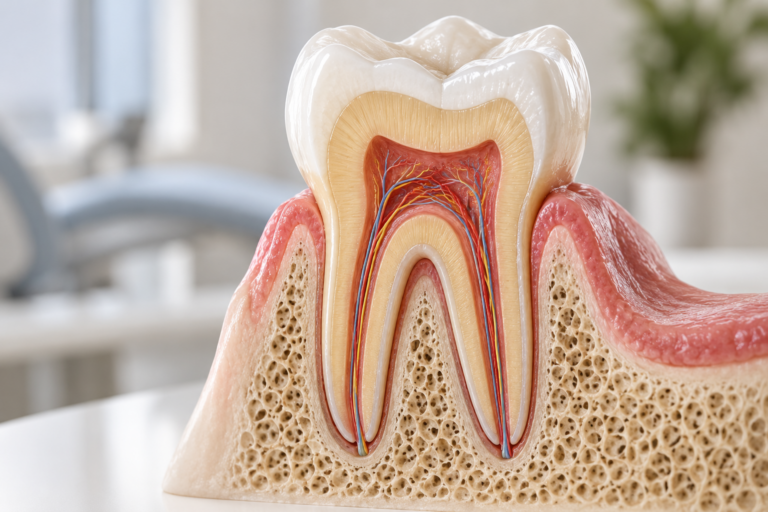
Oral hygiene refers to the daily practices used to keep your teeth, gums, tongue, and mouth clean. These practices help control plaque, a sticky film of bacteria that continually forms on your teeth.
When plaque remains on the teeth, bacteria can contribute to tooth decay and gum inflammation. If plaque hardens into tartar, brushing and flossing alone cannot remove it. A dental professional must remove this hardened buildup during a professional cleaning.

Consistent oral hygiene helps you:
- Reduce plaque buildup on teeth and along the gumline.
- Lower your risk of cavities and tooth decay.
- Help prevent gingivitis, an early form of gum disease.
- Maintain fresher breath.
- Protect the supporting tissues around your teeth.
- Support your long-term oral health.
Good oral hygiene cannot prevent every dental problem, but it plays an important role in maintaining healthy teeth and gums.
How to Build a Healthy Oral Hygiene Routine
A good oral hygiene routine does not have to be complicated. The key is to use the right techniques consistently and make oral care part of your everyday schedule.
1. Brush Your Teeth Twice a Day
Brush your teeth twice daily with fluoride toothpaste for two minutes each time. Fluoride helps strengthen tooth enamel and makes teeth more resistant to acid attacks that can lead to cavities.
Use a soft-bristled toothbrush and gentle pressure. Hold the brush at a slight angle toward the gumline, then clean the outer, inner, and chewing surfaces of every tooth.
Pay attention to the areas near your gums and the back teeth, where plaque can accumulate. Brushing harder does not necessarily clean your teeth better. Excessive pressure can irritate your gums and contribute to tooth wear.
An electric toothbrush can help some people maintain an effective brushing routine, especially those who find manual brushing difficult. Whichever type you choose, technique and consistency matter.
Helpful tip: Replace your toothbrush or electric toothbrush head approximately every three to four months, or sooner if the bristles become frayed.
2. Clean Between Your Teeth Every Day
Brushing alone cannot thoroughly clean the spaces between your teeth. Food particles and plaque can collect in these areas, increasing the risk of cavities and gum inflammation.
Clean between your teeth at least once a day using dental floss or another interdental cleaning tool suitable for your needs.
To floss effectively:
- Gently guide the floss between two teeth without snapping it against your gums.
- Curve the floss around the side of one tooth.
- Move it gently up and down, including just beneath the gumline.
- Repeat against the neighboring tooth before moving to the next space.
If traditional floss is difficult to use, consider floss picks, interdental brushes, or a water flosser. The best option depends on your tooth spacing, dexterity, dental work, and individual needs.
If your gums bleed when you begin cleaning between your teeth, inflammation may be present. Continue cleaning gently and consistently, but arrange a dental evaluation if bleeding persists, becomes heavy, or occurs alongside swelling or pain.
3. Clean Your Tongue
Your tongue can collect bacteria, food debris, and dead cells that contribute to bad breath. Cleaning it gently can be a useful addition to your oral hygiene routine.
Use a toothbrush or tongue scraper to clean the surface of your tongue. Work from the back toward the front without applying excessive pressure or causing discomfort.
Rinse your mouth afterward. If bad breath continues despite good oral hygiene, a dental professional can help determine whether an underlying oral health issue may be contributing to it.
4. Use Mouthwash When Appropriate
Mouthwash can support your oral hygiene routine, but it does not replace brushing or cleaning between your teeth.
Different mouthwashes serve different purposes. Some contain fluoride to help prevent cavities, while others contain ingredients designed to help control plaque, gingivitis, or bad breath.
Choose a product based on your oral health needs. If you experience dry mouth, have sensitive tissues, or are unsure which product is appropriate, ask your dentist for guidance.
Follow the product instructions, and remember that mouthwash cannot remove hardened tartar or treat every cause of gum disease.
Common Oral Hygiene Mistakes That Can Harm Your Teeth
Even people who brush every day can overlook habits that affect their oral health. Small adjustments can help make your daily routine more effective.
Brushing Too Hard
Applying excessive pressure does not remove plaque more effectively. It may irritate the gums and contribute to tooth wear over time. Use a soft-bristled toothbrush and gentle, controlled movements.
Skipping Daily Interdental Cleaning
Food and plaque can remain between teeth even when the visible surfaces look clean. Make flossing or another suitable interdental cleaning method part of your daily routine.
Brushing for Less Than Two Minutes
Rushing through brushing may cause you to miss areas of your mouth. Spend two minutes cleaning all tooth surfaces, and consider using a timer if you regularly finish too quickly.
Forgetting the Gumline and Back Teeth
Plaque often accumulates near the gumline and around the back teeth. Brush these areas carefully instead of focusing only on the front teeth.
Ignoring Persistent Bleeding Gums
Bleeding during brushing or flossing can be a sign of gum inflammation. Do not automatically assume it is normal. If the problem continues or you notice swelling, tenderness, or gum recession, schedule a dental evaluation.
Using Mouthwash Instead of Brushing and Flossing
Mouthwash can complement your routine, but it cannot replace mechanical plaque removal. Prioritize thorough brushing and daily interdental cleaning.
How Diet Affects Your Oral Hygiene and Gum Health
Your eating and drinking habits can influence your risk of tooth decay and other oral health problems. Bacteria in dental plaque use sugars from foods and drinks to produce acids that attack tooth enamel.
Frequent exposure to these acids can increase the risk of cavities, particularly when plaque remains on the teeth.
To support healthier teeth and gums:
- Limit sugary snacks and drinks. Frequent sugar exposure gives plaque bacteria more opportunities to produce acids.
- Choose water regularly. Water helps rinse away food debris and supports saliva production.
- Eat a balanced diet. Include a variety of nutrient-rich foods that support overall health.
- Be mindful of acidic drinks. Frequent exposure to acidic beverages can contribute to enamel erosion.
- Avoid constant snacking when possible. Giving your mouth time between eating occasions can reduce repeated acid attacks.
Saliva also plays an important role in oral health. It helps neutralize acids, wash away food particles, and support the natural repair of early enamel damage. Certain medications and health conditions can reduce saliva production, so discuss persistent dry mouth with your dentist or healthcare professional.
Signs You May Need to Improve Your Oral Hygiene
Changes in your mouth can provide clues that your oral hygiene routine or dental health needs attention.
Watch for signs such as:
- Gums that bleed during brushing or flossing.
- Persistent bad breath.
- Red, swollen, or tender gums.
- Plaque or hardened deposits around the teeth.
- New tooth sensitivity.
- Visible cavities or changes in tooth surfaces.
- Gums that appear to be pulling away from the teeth.
These symptoms can have different causes. For example, tooth sensitivity may result from enamel wear, gum recession, tooth decay, or other dental conditions. Bleeding gums may indicate inflammation, but an examination is needed to determine the cause.
Do not rely on brushing changes alone to resolve persistent symptoms. A dental professional can evaluate your teeth and gums and recommend appropriate care.
Seek prompt dental advice if you experience significant tooth pain, facial swelling, or signs of infection. Difficulty breathing or swallowing associated with oral or facial swelling requires emergency medical attention.
How Professional Cleanings Support Good Oral Hygiene
Daily brushing and interdental cleaning are essential, but home care cannot remove every type of buildup.
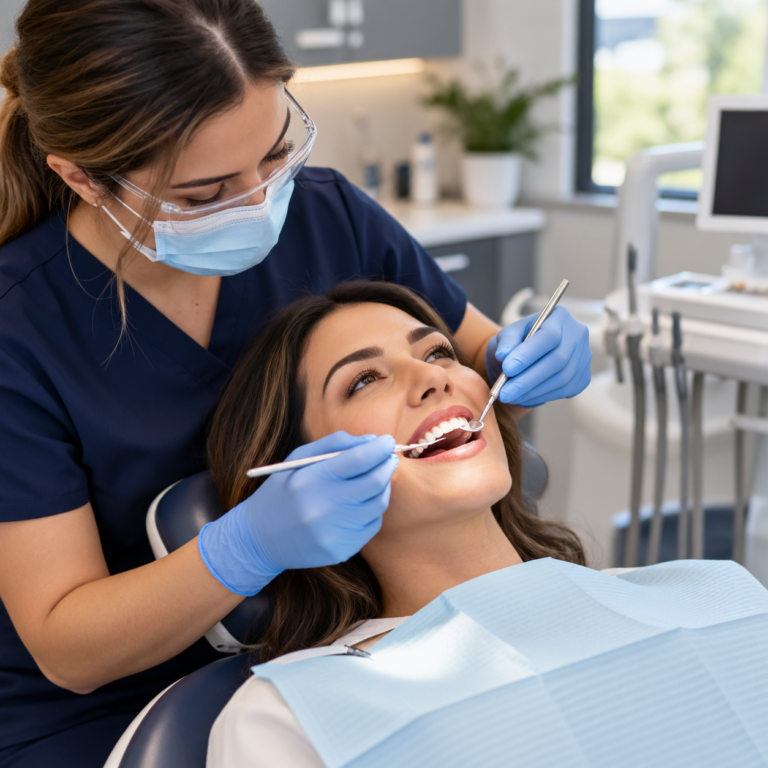
Over time, plaque can harden into tartar, which adheres to the teeth and may collect around or below the gumline. A dental professional uses specialized instruments to remove these deposits during a professional cleaning.
Routine dental appointments may also allow your dentist to identify early signs of cavities, gum disease, worn teeth, and other concerns. Your dental team can assess your current oral hygiene habits and suggest adjustments based on your individual needs.
Professional preventive care may include:
- Examination of your teeth and gums.
- Removal of plaque and tartar during a cleaning.
- Assessment of gum health.
- Dental X-rays when clinically indicated.
- Guidance on brushing, interdental cleaning, and other preventive measures.
The services recommended during an appointment depend on your oral health, dental history, symptoms, and risk factors.
Learn more about preventive care and the role of regular dental visits through Summit Family & Cosmetic Dentistry’s preventive dentistry resources.
Daily brushing and flossing are essential, but regular dental examinations also help identify potential problems and assess your gum health. Learn more about what to expect during a comprehensive dental exam at Chatham Dental Arts and how preventive care can support your long-term oral health.
How Often Should You Visit the Dentist?
Many people benefit from dental checkups and cleanings every six months, but this schedule is not appropriate for everyone. Some patients need more frequent visits because of gum disease, a higher risk of tooth decay, certain medical conditions, or other oral health concerns.
Your dentist can recommend a schedule based on your needs. Keeping up with recommended appointments helps your dental team monitor changes in your oral health and address concerns when possible.
You should also contact your dentist between routine visits if you develop persistent tooth sensitivity, bleeding gums, a broken tooth, or other new symptoms.
A dental appointment is not only for when something hurts. Preventive visits can help you understand your oral health and take action before certain problems progress.
Building a Long-Term Oral Hygiene Routine
The most effective oral hygiene routine is one you can maintain consistently. Rather than trying to change every habit at once, start with the essentials and build from there.
Use this daily checklist:
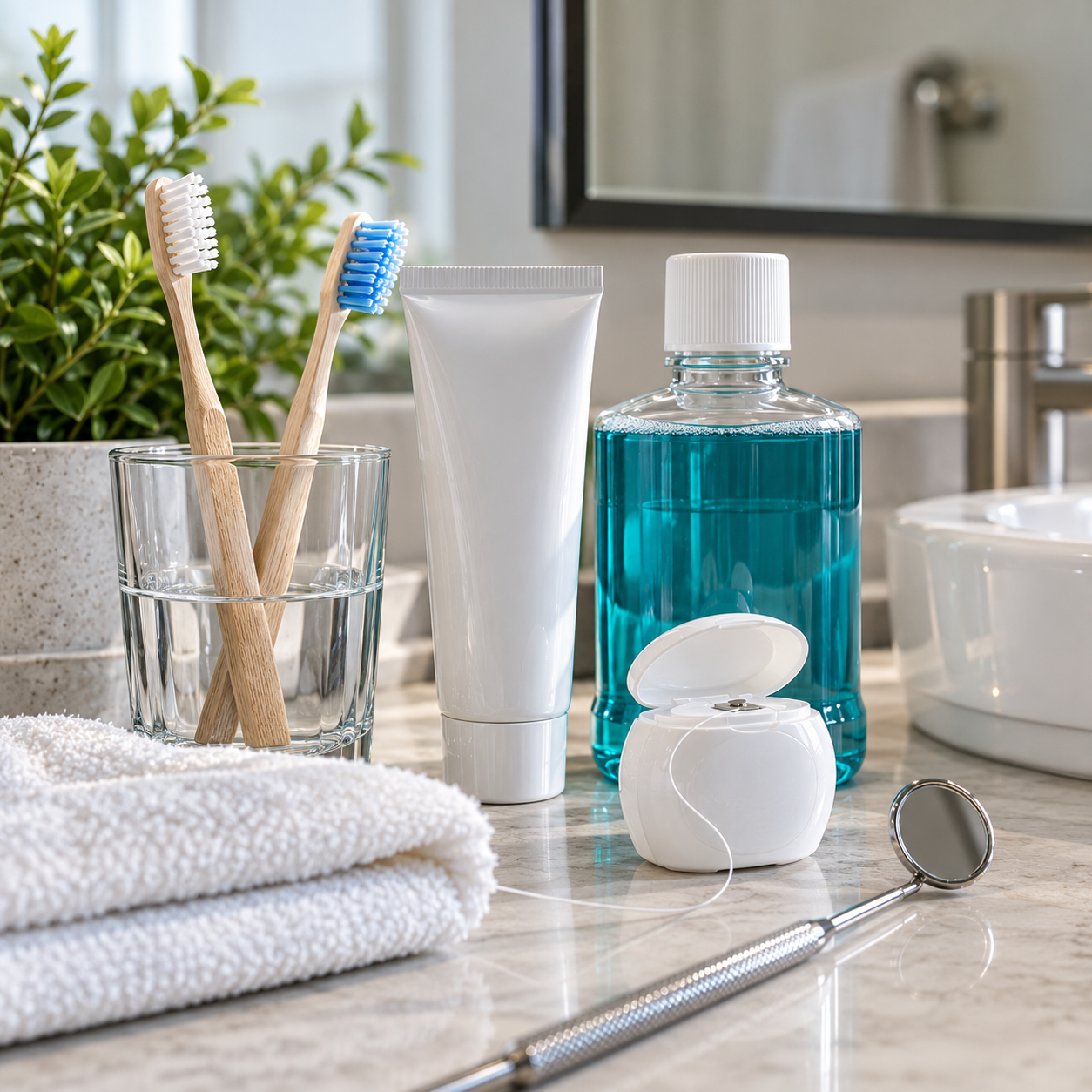
- Brush twice a day for two minutes with fluoride toothpaste.
- Clean between your teeth every day.
- Clean your tongue gently.
- Drink water regularly.
- Limit frequent sugary snacks and drinks.
- Use additional oral care products when appropriate for your needs.
- Keep up with your recommended dental appointments.
If you have braces, dental implants, bridges, dentures, or other dental work, ask your dentist how to clean around these areas properly. Your routine may require specialized tools or techniques.
Children, older adults, and people with limited hand mobility may also need adjustments or assistance to clean their teeth effectively.
Remember that healthy habits are more important than perfection. If you have missed flossing or rushed through brushing, resume your routine rather than giving up on it.
Protect Your Smile with Preventive Dental Care at Chatham Dental Arts
Healthy teeth and gums start with daily habits, but you do not have to figure everything out on your own. Understanding your oral health and receiving guidance tailored to your needs can help you make better decisions about your care.
At Chatham Dental Arts in Chatham, NJ, Dr. Blake Bandeff and the dental team can help you evaluate your oral health, discuss your concerns, and understand the preventive care options appropriate for you.
Whether you want to improve your brushing technique, address bleeding gums, or maintain your teeth as you age, a dental appointment is an opportunity to ask questions and build a practical plan for your oral health.
Ready to take the next step toward healthier teeth and gums? Contact Chatham Dental Arts to learn more about preventive dental care and schedule an appointment.
Frequently Asked Questions
How many times a day should I brush my teeth?
Brush twice a day for two minutes each time using fluoride toothpaste. Brush gently and clean all tooth surfaces, including the areas near your gumline and the back teeth.
Is flossing really necessary if I brush twice a day?
Yes. Brushing does not thoroughly clean the spaces between your teeth. Daily flossing or another suitable interdental cleaning method helps remove plaque and food debris from these areas.
Should I use mouthwash every day?
That depends on the product and your oral health needs. Some mouthwashes provide fluoride, while others help address specific concerns. Mouthwash should complement, not replace, brushing and interdental cleaning.
Why do my gums bleed when I brush or floss?
Bleeding gums may indicate inflammation, often associated with plaque buildup. Use gentle cleaning techniques and arrange a dental evaluation if bleeding persists, becomes heavy, or occurs with pain or swelling.
Can good oral hygiene prevent cavities?
Good oral hygiene can substantially reduce your risk of cavities, especially when you brush with fluoride toothpaste, clean between your teeth daily, and limit frequent sugar exposure. However, no routine can eliminate the risk entirely.
How often should I get a professional dental cleaning?
Many people receive cleanings every six months, but some need them more frequently. Your dentist can recommend an appropriate schedule based on your gum health, plaque buildup, medical history, and risk of dental disease.
What is the most important part of an oral hygiene routine?
Consistency is essential. Brushing twice daily with fluoride toothpaste and cleaning between your teeth every day form the foundation of a strong oral hygiene routine. Regular dental visits provide additional support.
When should I see a dentist about an oral health problem?
Schedule a dental appointment if you notice persistent bleeding gums, ongoing bad breath, tooth sensitivity, tooth pain, or changes in your gums or teeth. Seek prompt care for significant pain or swelling. Difficulty breathing or swallowing associated with swelling requires emergency medical attention.
Maintain Healthy Teeth and Gums with Preventive Dental Care
Good oral hygiene starts with small, consistent habits. Brushing twice a day with fluoride toothpaste, cleaning between your teeth daily, choosing tooth-friendly foods, and keeping up with dental visits can help protect your teeth and gums over time. If you have questions about your routine or notice changes in your oral health, the team at Chatham Dental Arts in Chatham, NJ, can help you understand your needs and discuss appropriate preventive care. Contact Chatham Dental Arts to schedule an appointment and take the next step toward a healthier smile.