Comprehensive Dental Exam: More Than Just Checking for Cavities
“If my teeth don’t hurt, do I really need a dental exam?”
It’s a reasonable question.
If everything feels fine, it’s easy to assume a dentist won’t find much. I want patients to understand that a dental exam isn’t just about looking for a cavity. It’s also not just about waiting until something starts hurting.
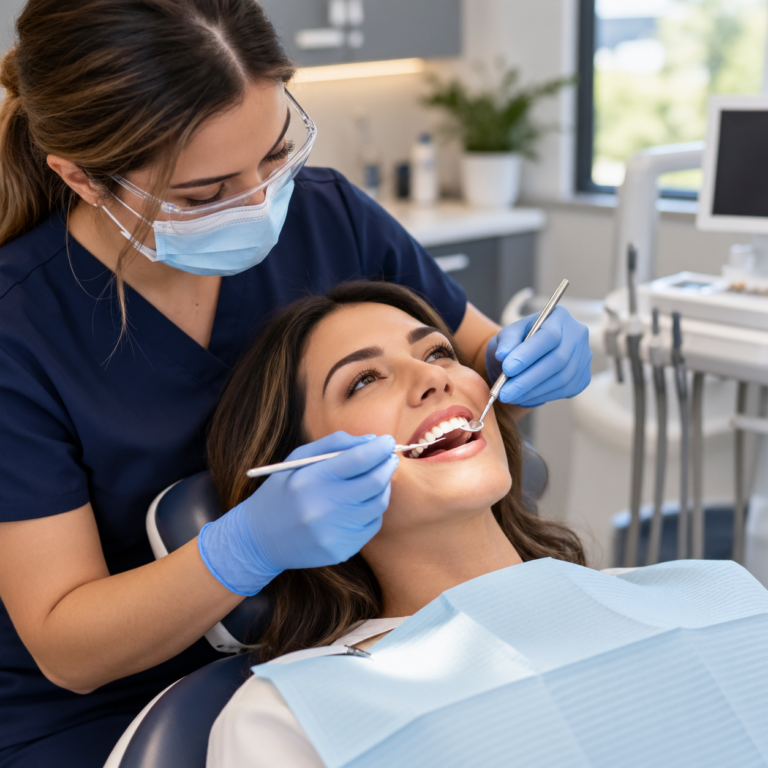
A comprehensive dental exam is really about taking a step back and looking at the bigger picture: your teeth, gums, bite, existing dental work, oral tissues, medical history, and any changes that may be worth paying attention to.
Sometimes, that means finding a problem. Other times, it means confirming that things are healthy and giving you a better plan for keeping them that way.
If Nothing Hurts, Do I Really Need an Exam?
Pain is useful information, but it isn’t the only information we have.
Some dental problems can develop without causing noticeable symptoms at first. A small area of decay, changes in the gums, or an issue with an existing restoration may not necessarily announce itself with pain.
That’s one reason I don’t want patients to think of a dental appointment as something you only need when something is wrong.
A good exam gives us the opportunity to understand what’s happening in your mouth before we have to react to a problem.
And importantly, an exam doesn’t mean we’re looking for something to treat.
Sometimes the best news you can get from a dental visit is that everything looks good.
What Am I Looking At During a Comprehensive Dental Exam?
When I examine a patient, I’m not looking at just one tooth.
I’m looking at how everything fits together.
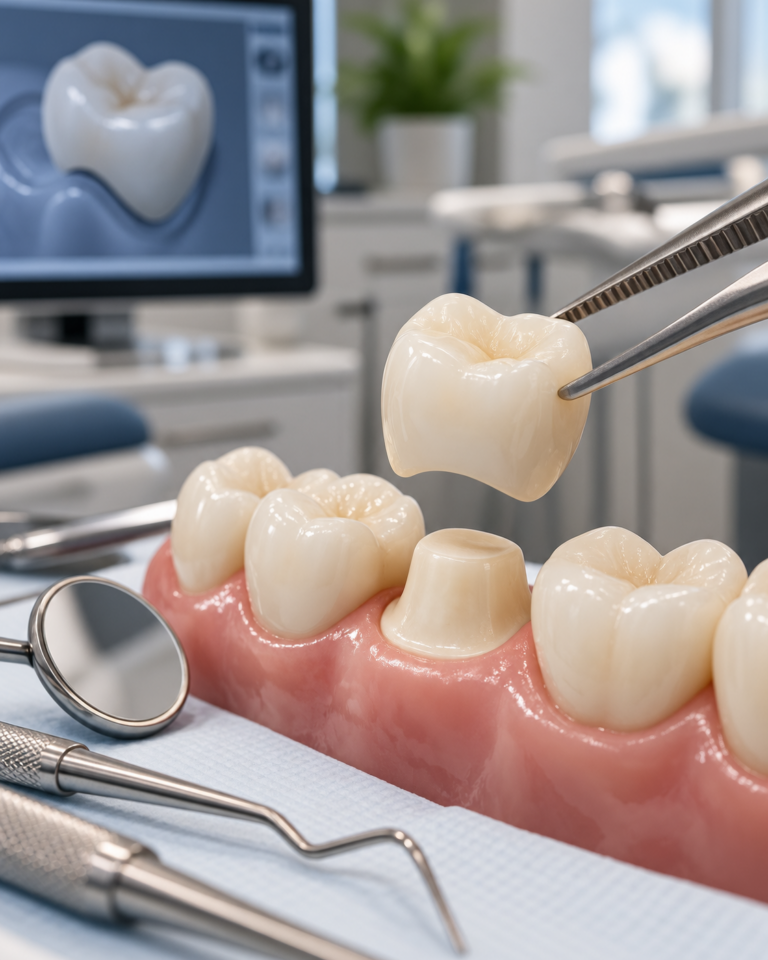
That can include examining your teeth for signs of decay, cracks, wear, damaged or failing restorations, missing teeth, and other changes. I’ll also look at your gums and the tissues throughout your mouth.
Your bite matters, too.
The way your teeth come together can tell us something about how you’re using them and whether there are areas experiencing unusual wear or stress.
Your medical and dental history is also part of the picture. Changes in medications, health conditions, symptoms, or previous dental treatment can all be relevant when we’re evaluating your oral health.
A comprehensive oral evaluation can include examination of the hard and soft tissues, periodontal assessment, medical history updates, and evaluation for abnormalities that may require further attention.
The goal is to put all of that information together rather than looking at each issue in isolation.
A comprehensive exam is an important part of preventive dental care, because it gives us a chance to evaluate your overall oral health rather than focusing on a single concern. Preventive care can also include professional cleanings, appropriate imaging, and oral health screenings based on your individual needs. You can learn more about what preventive dental care may involve through Summit Family & Cosmetic Dentistry’s preventive dentistry resources.
Your Gums Can Tell Us More Than You Think
Patients sometimes focus almost entirely on their teeth and forget about the other half of the equation: their gums.
During an examination, we look for things such as inflammation, bleeding, recession, and changes in the tissues around the teeth. When indicated, periodontal probing can help us evaluate the spaces around the teeth and identify areas that may need closer attention.
And you don’t necessarily have to have significant symptoms for us to pay attention to your gum health.
If something looks different from a previous visit, that gives us an opportunity to investigate it and, when appropriate, address it early.
That’s one of the reasons I think regular examinations are valuable. We’re not only evaluating what’s happening today—we can also compare what we’re seeing over time.
What About X-Rays?
This is one area where I think individualized care really matters.
A comprehensive dental exam does not mean that every patient automatically needs the same set of X-rays at every appointment.
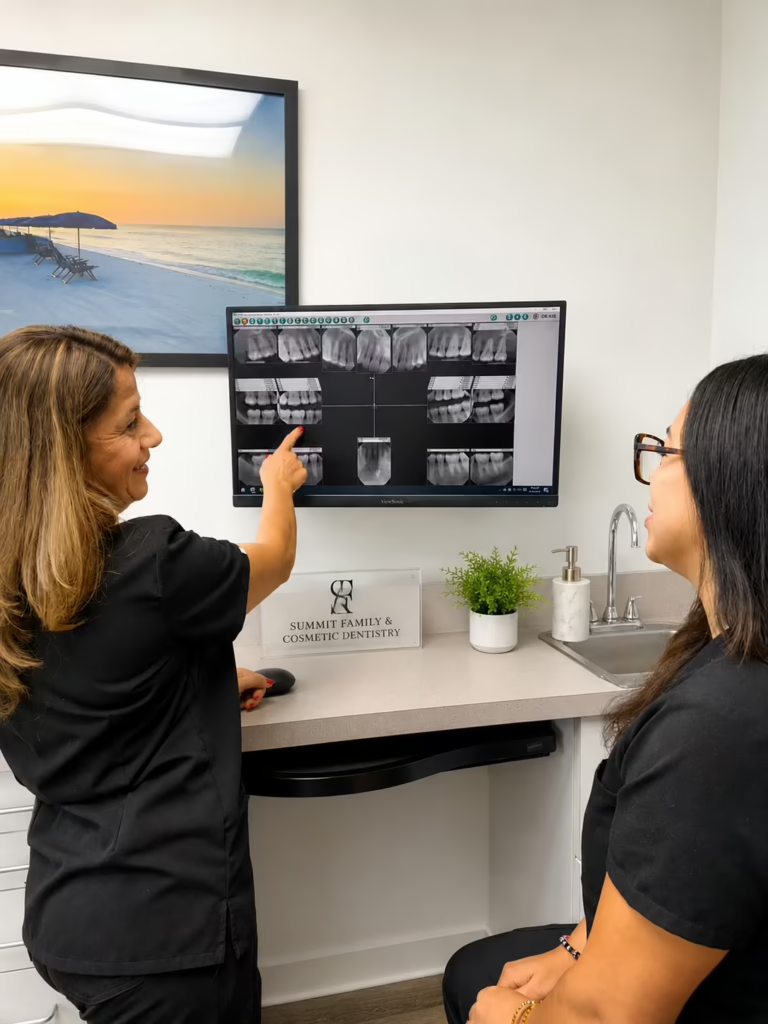
Dental imaging can help us see things that aren’t visible during a clinical examination, including certain areas of decay or changes involving structures beneath the surface. But the decision to take an X-ray should be based on the patient’s individual needs, clinical findings, history, risk factors, and other relevant information.
The ADA’s current recommendations emphasize that there isn’t a one-size-fits-all schedule for dental imaging. A dentist should first consider the patient’s history and clinical examination when deciding whether imaging is necessary.
That’s how I think about it in practice: the goal isn’t to take more images simply because we can. The goal is to use the information that actually helps us understand your oral health and make good clinical decisions.
Sometimes the Exam Finds Something You Haven’t Felt Yet
One of the most useful things about a thorough examination is that it can bring attention to changes you may not have noticed yourself.
That might be an area of tooth decay, inflammation around the gums, a cracked or worn tooth, an issue with an existing restoration, or a change in the soft tissues of the mouth.
Oral examinations also play an important role in identifying suspicious oral abnormalities. Current ADA guidance emphasizes a comprehensive extra-oral and intraoral clinical examination for adults as part of early detection of potentially concerning oral lesions.
That doesn’t mean every unusual finding is something serious.
It means we pay attention.
If something looks or feels different, we can determine whether it simply needs to be monitored, addressed, investigated further, or referred to another professional when appropriate.
A Good Exam Should Lead to a Conversation
This is one of the parts of dentistry I value most.
An examination shouldn’t feel like someone looks in your mouth, gives you a list of problems, and sends you on your way.
You should understand what we’re seeing.
If there is something that needs attention, I want you to know why it matters, what your options are, and what could happen if we simply monitor it.
And if something doesn’t require treatment right now, I want you to know that too.
Evidence-based dentistry involves bringing together clinical expertise, scientific evidence, and the individual patient’s needs and preferences.
That means the conversation matters.
There isn’t always one treatment that makes sense for every person.
How Often Should You Have a Dental Exam?
There’s no single schedule that works perfectly for everyone.
Your recommended recall interval can depend on factors such as your oral health, history of dental disease, gum health, age, risk factors, symptoms, and previous treatment.
That’s why I prefer to think about dental visits in terms of your individual needs rather than simply following a calendar.
For some people, maintaining regular preventive visits may be enough to keep things on track. Others may need closer monitoring because of existing conditions or a higher risk of developing dental problems.
The important thing is having a plan that makes sense for your mouth.
What Happens After Your Exam?
Once we’ve completed the examination and reviewed any necessary diagnostic information, the next step is understanding what we’ve found.
Sometimes that means:
“Everything looks good. Let’s keep doing what you’re doing.”
Sometimes it means making a small adjustment to your home-care routine or monitoring an area over time.
And sometimes we find something that would benefit from treatment.
When treatment is recommended, I want the reasoning to be clear.
You should understand what we’re seeing, why we’re recommending a particular approach, what alternatives may exist, and what the next steps look like.
That’s what makes an examination useful. It’s not simply about collecting information—it’s about using that information to help you make informed decisions about your dental health.
A Comprehensive Exam Is About the Whole Picture
When you sit in the dental chair, I’m not just looking for cavities.
I’m looking at your oral health as a whole and trying to understand what your teeth, gums, bite, history, and other findings are telling us.
Sometimes that means catching something early.
Sometimes it means making a small change.
And sometimes it simply means giving you peace of mind that everything looks healthy.
At Chatham Dental Arts, our approach is centered on personalized, patient-focused care. We use clinical examination and appropriate technology to understand each patient’s needs rather than assuming everyone needs the same thing.
My goal is for you to leave your examination feeling informed—not overwhelmed—and confident that you understand what’s happening with your oral health.
Because a good dental exam shouldn’t just tell you what’s going on.
It should help you understand what comes next.
See you soon,
Dr. Blake Bandeff
Chatham Dental Arts
Chatham, NJ