Visiting a new dentist can bring up questions, especially if it has been a while since your last appointment. You may wonder what the dentist will check, whether you need X-rays, or how long the visit will take. Knowing what to expect at your first dental visit can make the experience feel more comfortable and help you prepare.
At Chatham Dental Arts, the goal of a dental appointment is to understand your oral health, discuss your concerns, and help you make informed decisions about your care. Whether you are scheduling a routine checkup, returning after several years, or looking for a new dental home for your family, your first visit is an opportunity to establish a foundation for ongoing oral health.
What Happens During a First Dental Visit?
Your first dental visit helps establish a baseline for your oral health and gives your dentist an opportunity to understand your concerns and dental history. Your dentist will tailor the visit to your age, dental history, symptoms, and reason for booking.
1. Reviewing Your Medical and Dental History
Your dental team may ask about your general health, medications, allergies, previous dental procedures, and any current concerns. They may also ask when you last visited a dentist and whether you have experienced tooth sensitivity, bleeding gums, jaw discomfort, or other changes.
Be sure to mention medical conditions and medications that could affect your dental care. Sharing this information helps your dentist consider your overall health when evaluating your oral health and discussing treatment options.
2. Discussing Your Concerns and Goals
Your first appointment is a good time to explain what matters most to you. You may want help maintaining healthy teeth and gums, have questions about a particular tooth, or be interested in improving your smile.
If you feel nervous about dental treatment, let the team know. Sharing your concerns allows the dental team to explain the process, answer questions, and discuss ways to make your visit more comfortable.
3. Examining Your Teeth, Gums, and Mouth
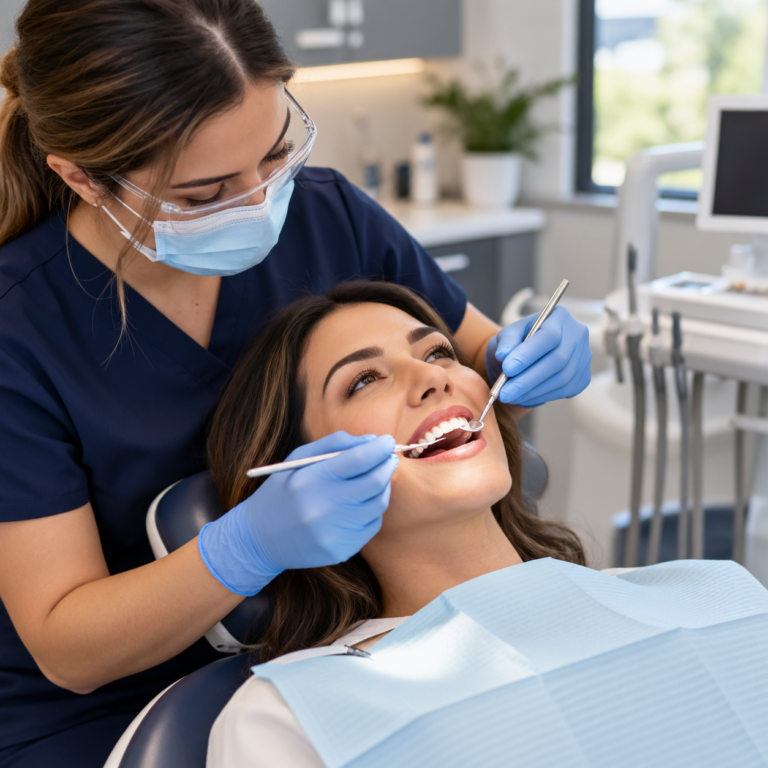
A dental examination may include checking your teeth for signs of decay, examining your gums, assessing your bite, and evaluating the soft tissues inside your mouth. Your dentist may also examine areas of concern, such as worn teeth, damaged restorations, or signs of gum inflammation.
The examination helps establish a baseline for your oral health. If something needs closer attention, your dentist can explain what was observed and discuss appropriate next steps.
4. Determining Whether Dental X-Rays Are Needed
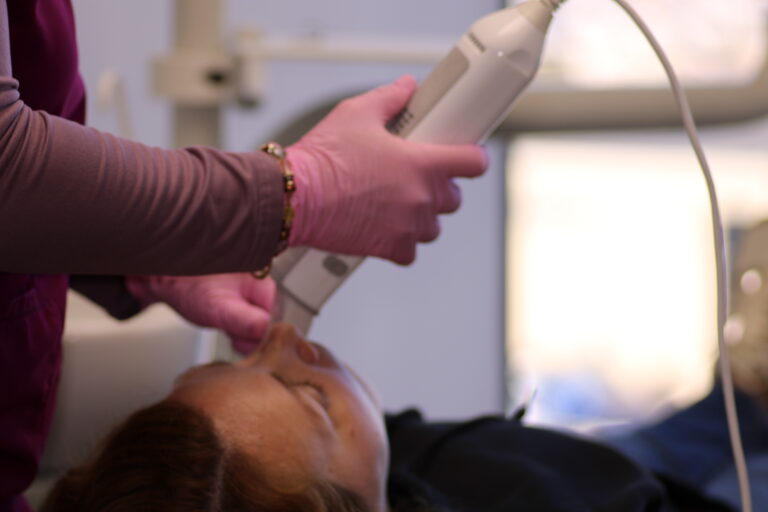
Dental X-rays can help reveal certain problems that may not be visible during a visual examination, including decay between teeth or changes around tooth roots and supporting bone.
However, X-rays are not automatically necessary at every first visit. Your dentist considers your dental history, symptoms, existing images, and individual needs before recommending imaging.
If your dentist recommends X-rays, ask what the images will help evaluate and how the results may affect your care.
5. Discussing Cleaning and Preventive Care
Depending on your oral health and appointment needs, your first visit may include a professional cleaning or a separate appointment for preventive care or treatment.
A cleaning can help remove plaque and hardened deposits that regular brushing and flossing may not remove completely. If your gums are inflamed or there is significant buildup, your dentist or hygienist may recommend a different approach based on your needs.
Your dental team can also review brushing, cleaning between your teeth, fluoride use, and other preventive measures that support oral health at home.
A comprehensive dental exam helps your dentist evaluate your teeth, gums, and overall oral health and identify areas that may need further attention.
How Should You Prepare for Your First Dental Appointment?
Preparing for your first dental visit can make the appointment smoother and help you get the most from your time with the dental team.
- Complete any new-patient forms. If the office provides forms in advance, filling them out before your appointment may save time.
- Bring relevant information. Have your medication list, allergy information, and details about significant medical conditions available.
- Share previous dental records if possible. Recent X-rays or treatment records may be useful if they are available.
- Make a list of questions. Write down any symptoms, concerns, or treatment goals you want to discuss.
- Allow enough time. Ask the office how long your appointment is expected to take, especially if you have several concerns to cover.

If you have tooth pain, swelling, a broken tooth, or another urgent concern, mention it when scheduling so the office can help determine the appropriate appointment.
How to Manage Anxiety Before Your First Dental Visit?
Dental anxiety is a common concern, and you do not need to feel embarrassed about it. Some people feel uneasy because of a previous experience, uncertainty about treatment, sensitivity, or a long gap between appointments.
Consider these practical steps:
- Tell the dental team about your concerns before treatment begins.
- Ask the dentist to explain each step before proceeding.
- Discuss any sensitivity or discomfort you have experienced in the past.
- Ask what options may be available to help you feel more comfortable.
- Speak up if you need a pause or have a question during the appointment.
You do not have to know every detail before arriving. The first visit is also a chance to get acquainted with the dental team and understand your options.
Regular dental visits help you monitor your oral health and understand your preventive care needs. Learn more about preventive dentistry at Summit Family & Cosmetic Dentistry, including dental exams, professional cleanings, and personalized oral health guidance.
Planning Your First Dental Visit After Years Away?
If several years have passed since your last dental appointment, you can still take a positive step by scheduling a visit. There is no need to feel embarrassed about the gap.
Your dentist will assess your current oral health and help you understand any findings. Depending on your needs, the next steps may include preventive care, monitoring, additional diagnostic tests, or treatment for specific concerns.
If you have multiple dental issues, ask which ones need attention first and what can be planned over time. Understanding the options can help you make decisions that fit your health needs and circumstances.
When to Schedule Your First Dental Visit?
For adults who are new to a practice, scheduling an appointment is a useful way to establish a baseline for oral health, even if nothing currently hurts. Regular dental visits allow your dentist to evaluate changes over time and recommend preventive care based on your needs.
For children, the first dental visit should generally take place when the first tooth appears and no later than the first birthday, following guidance from pediatric dental organizations. Early visits help parents learn how to care for developing teeth and give children an opportunity to become familiar with dental care.
If you have pain, swelling, a damaged tooth, or another concerning symptom, do not wait for a routine checkup. Contact a dental professional to discuss how soon you should be seen.
Your First Dental Visit: Building an Oral Health Plan
Your first dental visit is more than an examination. It is an opportunity to discuss your concerns, understand your current oral health, and create a plan for maintaining your teeth and gums.
At Chatham Dental Arts, the next step is guided by your individual needs and the findings of your evaluation. If you are looking for a dentist in Chatham, NJ, scheduling a visit can help you get answers to your questions and understand the care that may be appropriate for you.
Ready to take the next step? Contact Chatham Dental Arts to ask about scheduling your first dental appointment.
Frequently Asked Questions
How long does a first dental visit take?
The length depends on the purpose of the appointment, your dental history, and whether an examination, X-rays, or cleaning is needed. Ask the dental office about the expected appointment length when scheduling.
Will I get a cleaning during my first visit?
Possibly. Some patients can have a cleaning during their first appointment, while others may need a separate visit depending on their oral health, the time available, and the type of care required.
Do I need dental X-rays at my first appointment?
Not necessarily. Your dentist will consider your dental history, symptoms, previous images, and clinical findings before deciding whether X-rays are appropriate.
What should I bring to my first dental appointment?
Bring any requested new-patient forms, a current medication list, relevant medical information, and previous dental records or X-rays if available. A list of questions can also help you make the most of your visit.
What If I Haven’t Seen a Dentist in Years?
You can be honest about how long it has been. Your current oral health and your next steps are what matter. Sharing your concerns helps your dental team understand your situation and discuss appropriate care without judgment.
How often should I visit the dentist after my first appointment?
The recommended interval depends on your oral health, risk factors, and treatment needs. Your dentist can suggest a follow-up schedule tailored to you rather than assuming the same interval is right for everyone.
Start Your Dental Journey at Chatham Dental Arts
Choosing a dentist is about finding a team you feel comfortable talking to and trust with your oral health. At Chatham Dental Arts in Chatham, NJ, Dr. Blake Bandeff and the dental team can help you understand your oral health, discuss your concerns, and explore the next steps that fit your needs.
Whether you are new to the area, looking for a new dental practice, or returning after years away from dental care, you can start by asking questions and sharing your goals. Your first visit is an opportunity to get to know the practice, understand your options, and begin building a plan for your oral health.
Ready to schedule your first dental visit? Contact Chatham Dental Arts to learn more about becoming a patient and arranging your first appointment.